
Newsletter Subscribe
Enter your email address below and subscribe to our newsletter

 ByJohn A
The appearance of a business property can influence how customers, visitors, employees, and business partners perceive the organisation. Well-maintained lawns, healthy plants, clean walkways, and organised outdoor spaces create a welcoming environment and demonstrate attention to detail. In contrast, overgrown grass, damaged shrubs, weeds, and neglected garden areas can make a property appear poorly maintained.
Commercial landscape services help businesses maintain attractive and functional outdoor environments through regular lawn care, planting, pruning, seasonal maintenance, and other landscaping activities. These services focus on keeping outdoor areas healthy, organised, and suitable for the property’s purpose. Understanding how professional landscaping improves business property appearance can help property owners and managers make informed decisions about outdoor maintenance.
The exterior of a commercial property is often the first thing people notice when they arrive. A neat entrance, healthy greenery, and clearly maintained pathways can make the property appear professional and inviting.
Regular landscaping helps prevent common issues such as overgrown grass, scattered leaves, unwanted weeds, and untidy planting beds. Keeping these areas under control creates a consistent appearance throughout the property.
Businesses with well-maintained outdoor spaces can provide visitors with a more pleasant arrival experience. This is particularly important for office buildings, retail centres, medical facilities, hotels, and other properties that receive regular visitors.
Entrances are important visual features because they guide visitors towards the main building. Commercial landscaping can improve these spaces through carefully maintained plants, trimmed hedges, defined garden beds, and clear walkways.
When entrance landscaping is proportionate to the building and does not obstruct signs or access points, it helps create a balanced and professional exterior.
Lawns can occupy a significant portion of commercial properties. Their condition directly affects the overall appearance of the surrounding landscape.
Grass that grows unevenly or becomes excessively long can make a property look neglected. Regular mowing keeps lawn height consistent, while edging creates clear boundaries around paths, garden beds, parking areas, and buildings.
These activities help establish a neat appearance and make different outdoor areas look more organised. Appropriate mowing practices also help avoid unnecessary stress on the grass.
A lawn may develop bare patches, discolouration, compacted soil, or uneven growth due to environmental conditions and insufficient maintenance.
Commercial landscape services can help identify these issues and recommend suitable measures, such as soil improvement, overseeding, aeration, or appropriate watering practices. The right approach depends on the grass type, soil conditions, climate, and amount of foot traffic.
Healthy grass provides a more consistent appearance and complements other landscaping features across the property.
Trees and shrubs add structure, colour, shade, and visual interest to commercial landscapes. However, without appropriate care, they can become overgrown, uneven, or unhealthy.
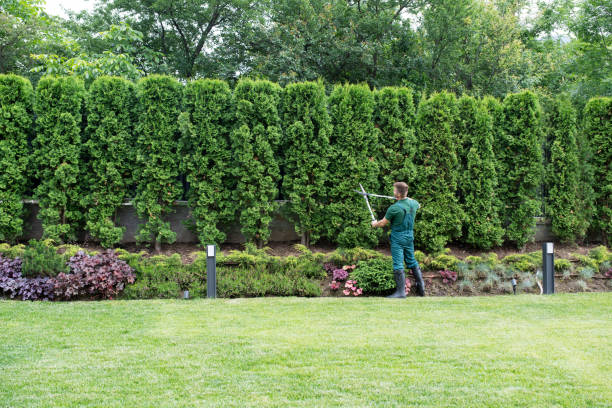
Pruning helps remove dead, damaged, or unwanted branches and maintain the intended shape of shrubs and small trees. It can also prevent plants from spreading into walkways, entrances, windows, and signs.
Regular attention helps maintain a balanced appearance while supporting plant health. Pruning should be appropriate for the plant species and season, as excessive or poorly timed cutting can damage growth.
Plants may decline because of pests, disease, unsuitable soil, inadequate watering, or exposure to harsh weather. Dead or struggling plants can create visible gaps and make garden beds appear inconsistent.
Assessing plant health allows property managers to address underlying problems and decide whether a plant can recover or should be replaced. Choosing plants suited to local growing conditions can also help maintain a more attractive landscape over time.
Garden beds help introduce colour, texture, and variety into outdoor spaces. Their appearance depends on how well plants, soil, mulch, and borders are maintained.
Weeds can compete with ornamental plants for water, nutrients, and space. When they spread across garden beds, they can make landscaping appear untidy.
Routine weed removal helps preserve the intended planting design and gives desirable plants more room to grow. Trimming overgrown vegetation also prevents garden beds from looking crowded.
Mulch can create a consistent surface around plants while helping retain soil moisture and limit weed growth. It can also improve the visual separation between planting areas and surrounding lawns.
Clearly defined borders make garden beds appear more organised. Keeping these edges tidy helps create a cleaner transition between different parts of the landscape.
Commercial properties often include walkways, parking lots, courtyards, and shared outdoor areas. Landscaping helps these spaces remain visually appealing and easier to navigate.
Branches, overgrown shrubs, fallen leaves, and weeds can affect the appearance and usability of walkways. Regular maintenance keeps vegetation within suitable boundaries and reduces clutter around pedestrian routes.
Maintaining clear paths is especially important around entrances, accessible routes, emergency exits, and frequently used outdoor areas.
See also: Why Buy Used Server Equipment for Your Business IT Needs?
Parking areas can look harsh when they consist mainly of paved surfaces. Trees, shrubs, and properly maintained planting islands can soften the appearance of these spaces.
Keeping plants trimmed, removing litter and fallen branches, and maintaining healthy ground cover can create a more organised parking environment. Landscaping should also preserve visibility around vehicle entrances, signs, and pedestrian crossings.
Outdoor environments change throughout the year. Temperature fluctuations, rainfall, dry periods, and seasonal plant growth can all affect the appearance of commercial properties.
Seasonal maintenance may include clearing fallen leaves, adjusting watering schedules, pruning suitable plants, removing damaged vegetation, and preparing lawns for changing weather conditions.
These activities help prevent seasonal changes from making the property look neglected. Maintenance schedules should reflect local weather patterns and the needs of the plants used across the site.
Different plants flower, change colour, or lose foliage at different times of the year. Selecting a suitable mix of trees, shrubs, and flowering plants can help maintain visual interest across changing seasons.
Commercial landscape services can help businesses maintain a balanced planting arrangement that suits the property’s design and ongoing maintenance requirements.
The condition of a business property can influence how people interpret its overall standards. Although landscaping alone cannot determine a company’s reputation, a well-maintained exterior can reinforce a professional image.
A coordinated landscape design considers plant selection, lawn areas, garden beds, pathways, and the building’s architectural style. When these elements work together, the property appears more cohesive.
Consistent maintenance helps preserve that design over time. For example, matching the condition of entrance gardens with surrounding lawns and planting areas prevents one neglected section from affecting the overall impression.
Clean garden edges, trimmed plants, healthy grass, and clear walkways demonstrate that outdoor areas receive regular attention. This can contribute to a positive experience for employees, clients, tenants, and visitors.
For businesses operating from multi-building sites, maintaining similar standards across entrances and shared areas can also create a more consistent appearance throughout the property.
Maintaining commercial landscaping is not limited to making outdoor spaces look attractive today. Regular care can help preserve the condition of plants, lawns, and other landscape features over time.
Changes in leaf colour, thinning grass, soil erosion, standing water, and damaged branches may indicate underlying maintenance problems. Identifying these issues early allows property managers to investigate and take appropriate action.
For example, poor drainage may damage lawns and planting beds, while compacted soil may restrict root development. Addressing these conditions can help prevent recurring landscape deterioration.
A maintenance plan helps ensure that important tasks are completed consistently. Depending on the property, this may include mowing, pruning, weed control, irrigation checks, seasonal clean-ups, and plant health assessments.
The schedule should reflect the size of the site, landscape design, plant requirements, local climate, and visitor activity. A practical approach helps maintain visual standards without applying the same maintenance routine to every area.
Commercial landscape services improve business property appearance by keeping lawns healthy, maintaining trees and shrubs, controlling weeds, defining garden beds, and ensuring outdoor spaces remain clean and organised. They also help businesses adapt to seasonal changes, identify developing landscape problems, and preserve a consistent exterior presentation.
By investing in regular landscaping and appropriate maintenance, property owners and managers can create welcoming outdoor environments that support the property’s professional image. A well-planned approach also helps protect the long-term condition of the landscape, making outdoor spaces more attractive, functional, and easier to manage.
