
Newsletter Subscribe
Enter your email address below and subscribe to our newsletter

 ByJohn A
Businesses rely on dependable IT infrastructure to store data, run applications, manage internal systems, and support daily operations. However, purchasing new server hardware can require a significant financial investment, particularly for small businesses, startups, and organisations expanding their computing capabilities. Choosing to buy used server equipment can provide an alternative for businesses that need reliable computing resources while managing their technology budgets.
Used servers can support a wide range of workloads, including file sharing, database management, virtualisation, application hosting, and backup storage. The key is to select hardware that meets operational requirements and has been properly inspected, tested, and maintained. Understanding the advantages and potential limitations of used server equipment helps businesses make informed decisions about their IT infrastructure.
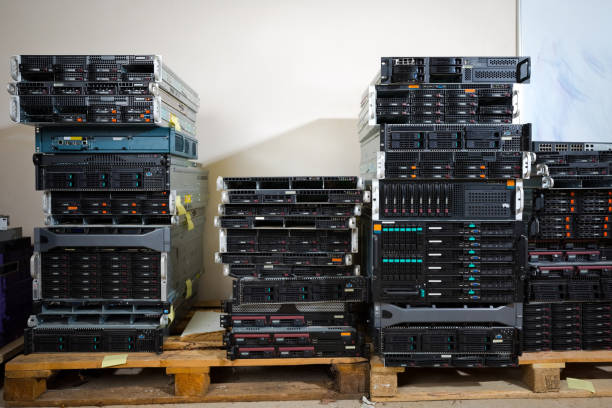
Used server equipment refers to computing hardware that has previously been owned or operated by another organisation. These systems may become available when businesses upgrade their infrastructure, replace older equipment, or reduce their server capacity.
Depending on their condition and history, used servers may be sold as previously owned hardware or refurbished equipment. Refurbished servers typically undergo inspection, testing, repairs, or component replacement before being resold.
New servers generally offer current hardware specifications, manufacturer support options, and access to the latest technologies. Used servers, on the other hand, may provide established computing capabilities at a lower initial purchase cost.
The differences depend on the equipment’s age, configuration, condition, and availability of compatible components. Some used systems may still deliver sufficient performance for everyday business applications, while others may be unsuitable for demanding workloads or modern software requirements.
Businesses should therefore assess each server based on its intended purpose rather than assuming that every used system offers the same level of performance or reliability.
One of the main reasons businesses choose used servers is the potential to reduce upfront hardware expenses. Previously owned equipment often costs less than comparable new systems, allowing organisations to allocate more of their budgets to software, cybersecurity, networking, and other essential resources.
For small businesses and startups, this can make it easier to establish an internal server environment without committing a large portion of their available capital.
The savings may also help organisations purchase additional storage, memory, or networking components when required. However, the total cost should include installation, maintenance, energy consumption, and any necessary upgrades.
Used servers can provide access to enterprise-oriented features that may be expensive to obtain in new equipment. Depending on the model, these features may include redundant power supplies, error-correcting memory, multiple drive bays, remote management capabilities, and support for virtualisation.
Such capabilities can help businesses build infrastructure that supports multiple applications and services.
Before purchasing, organisations should confirm that these features are included in the specific configuration. Not every used server offers the same functionality, and some components may have been removed or replaced during its previous use.
Businesses often experience changing computing requirements as their operations grow. Used server equipment can offer a cost-conscious way to expand available resources when additional processing power, storage capacity, or memory is needed.
For example, an organisation may use an additional server to separate file storage from application hosting. Another business might introduce a dedicated system for testing software or running internal development environments.
This flexibility can help organisations expand gradually instead of replacing their entire infrastructure at once.
Many businesses need a central location for storing documents, sharing files, and managing internal applications. A suitable used server can support these activities when its hardware specifications meet the organisation’s requirements.
Storage capacity, memory, network connectivity, and backup arrangements should be evaluated before deployment. Businesses handling confidential information should also implement appropriate access controls and encryption where suitable.
Virtualisation allows multiple virtual machines to run on a single physical server. This can help businesses consolidate workloads, test applications, and create isolated environments for development or training.
A used server with sufficient processor resources, memory, and storage may be suitable for these purposes. However, the hardware must support the intended virtualisation software and provide enough capacity for the expected workload.
Used servers may also support backup operations, secondary storage, and disaster recovery preparations. Separating backup infrastructure from primary production systems can improve resilience when the primary environment experiences hardware failure or other disruptions.
Businesses should ensure that backup systems are protected from unauthorised access and that recovery procedures are tested regularly. A backup server alone does not guarantee data protection without a reliable backup strategy.
A server’s previous usage and maintenance history can influence its expected lifespan. Buyers should inspect the chassis, cooling components, power supplies, storage devices, and other essential hardware.
Where possible, request evidence of diagnostic testing and confirmation that the system operates under an appropriate workload. Warning indicators, unusual noises, overheating, and unstable performance may suggest underlying problems.
It is also helpful to understand whether any components have been replaced and whether compatible replacement parts remain available.
The right configuration depends on the applications the server will run. Processor performance affects computing capacity, while memory influences how efficiently applications and virtual machines operate.
Storage requirements depend on the amount of information being handled, expected growth, and the performance needed for read and write operations.
Businesses should also consider storage redundancy, network speeds, and expansion options. Choosing a configuration based on actual workloads helps prevent performance limitations and unnecessary hardware expenses.
Before purchasing, confirm that the server supports the required operating system, applications, storage interfaces, and networking equipment.
Hardware age is particularly important when evaluating security. Older servers may no longer receive firmware updates or support newer operating systems. Unsupported components can increase exposure to vulnerabilities and create compatibility problems.
Businesses should check available security updates, management firmware, and the remaining support period for critical software. Equipment that cannot meet current security requirements may not be appropriate for sensitive or business-critical workloads.
Used server warranties vary considerably. Some systems may include limited coverage, while others may be sold without a warranty.
Buyers should clarify what the warranty covers, how long it lasts, and whether replacement parts or technical assistance are available. The availability of support can be especially important when a server handles essential business operations.
Although used servers can reduce initial expenses, they may involve higher maintenance requirements or greater energy consumption than newer systems.
Older processors and power supplies may be less energy-efficient, potentially increasing electricity and cooling costs over time. Replacement components can also become harder to obtain as hardware ages.
Businesses should compare the total cost of ownership rather than focusing only on the purchase price. This includes hardware acquisition, installation, electricity, maintenance, software licensing, and eventual replacement.
For workloads requiring high availability, intensive processing, or strict support guarantees, newer hardware may be a more suitable investment.
See also: How to Store Cryptocurrency Securely
Choosing to buy used server equipment can help businesses manage IT expenses while accessing computing resources for storage, virtualisation, application hosting, and backup operations. The most important consideration is finding hardware that matches current workloads, supports necessary software, and offers acceptable reliability and security.
By evaluating hardware condition, specifications, compatibility, support options, and long-term operating costs, businesses can reduce purchasing risks and make better infrastructure decisions. A carefully selected used server can provide practical value when it is deployed for the right purpose and supported by appropriate maintenance, security controls, and backup procedures.
